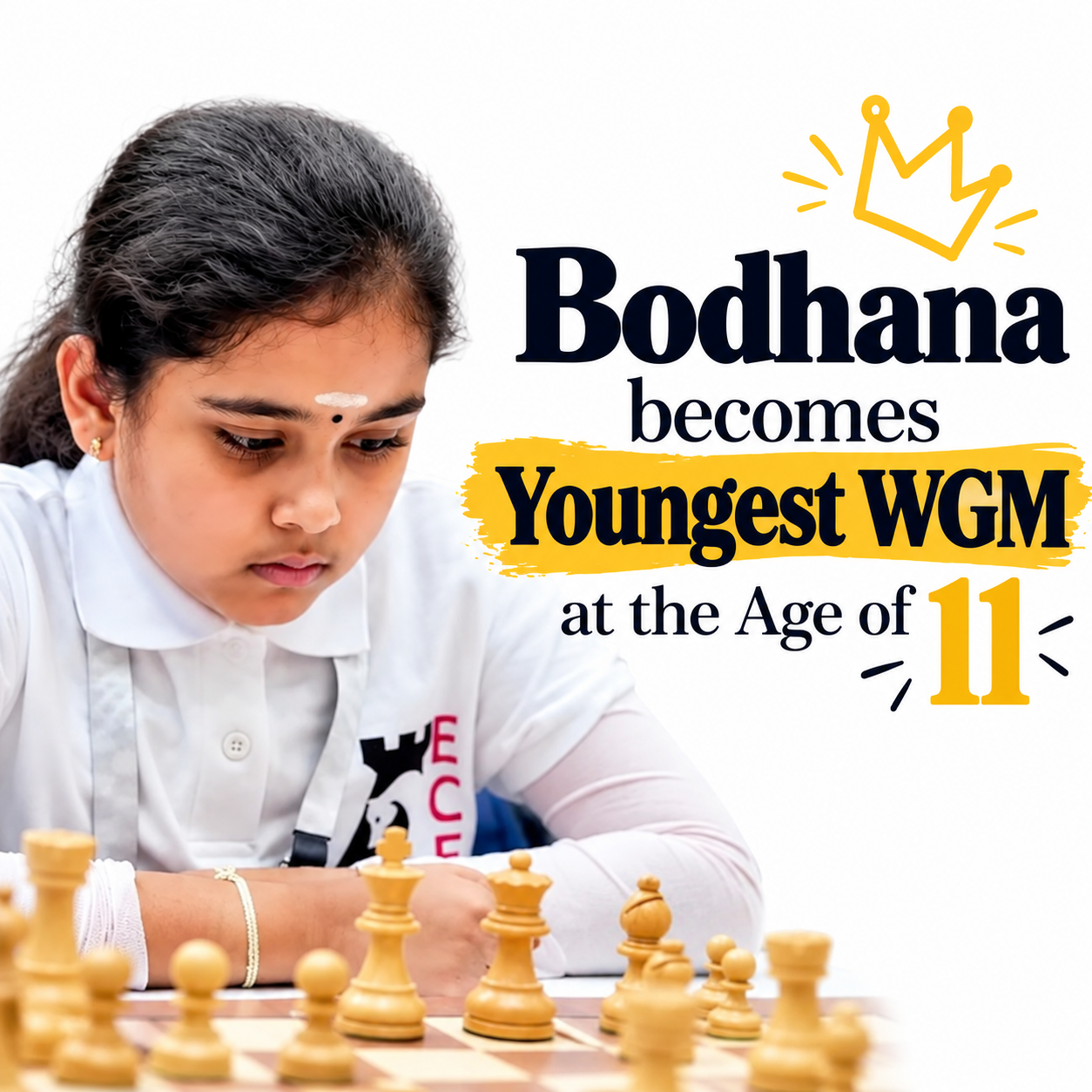
Bodhana becomes Youngest WGM at the Age of 11
13 October 2026

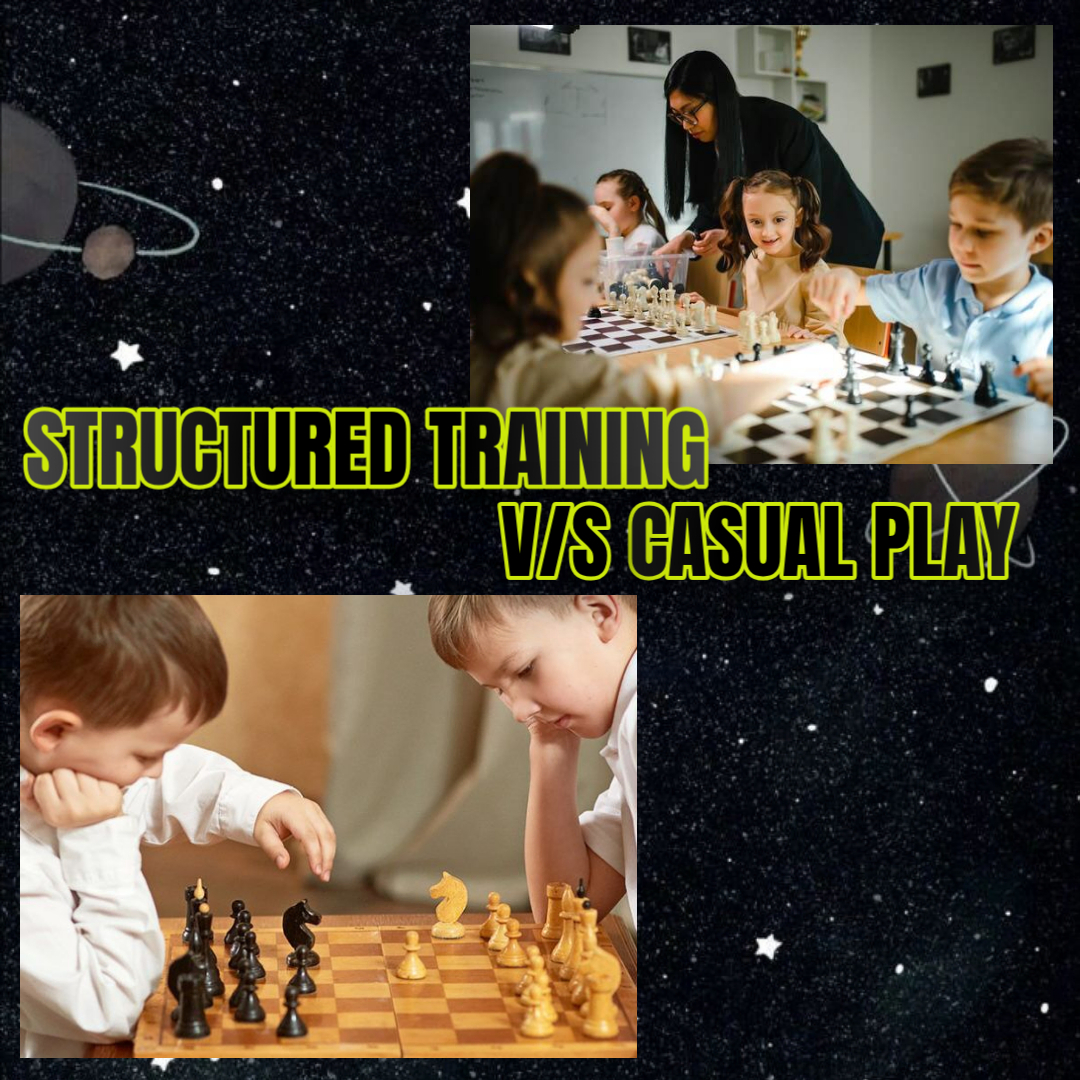
Chess is one of the rarest games that can be played casually after a hectic long day for relaxation anytime, anywhere with anyone regardless of the age of the opponents. While Casual play has its own pros and significance, it’s Structured training that helps a player to truly excel in this game. If a goal is to play this game strategically or compete professionally, structured training can really help one to reach the goal and provide a clear visible advantage.
It refers to playing Chess without any specific goal, just for fun without any proper guidance and following the curriculum, it could be:
1. Friendly matches with friends and Family
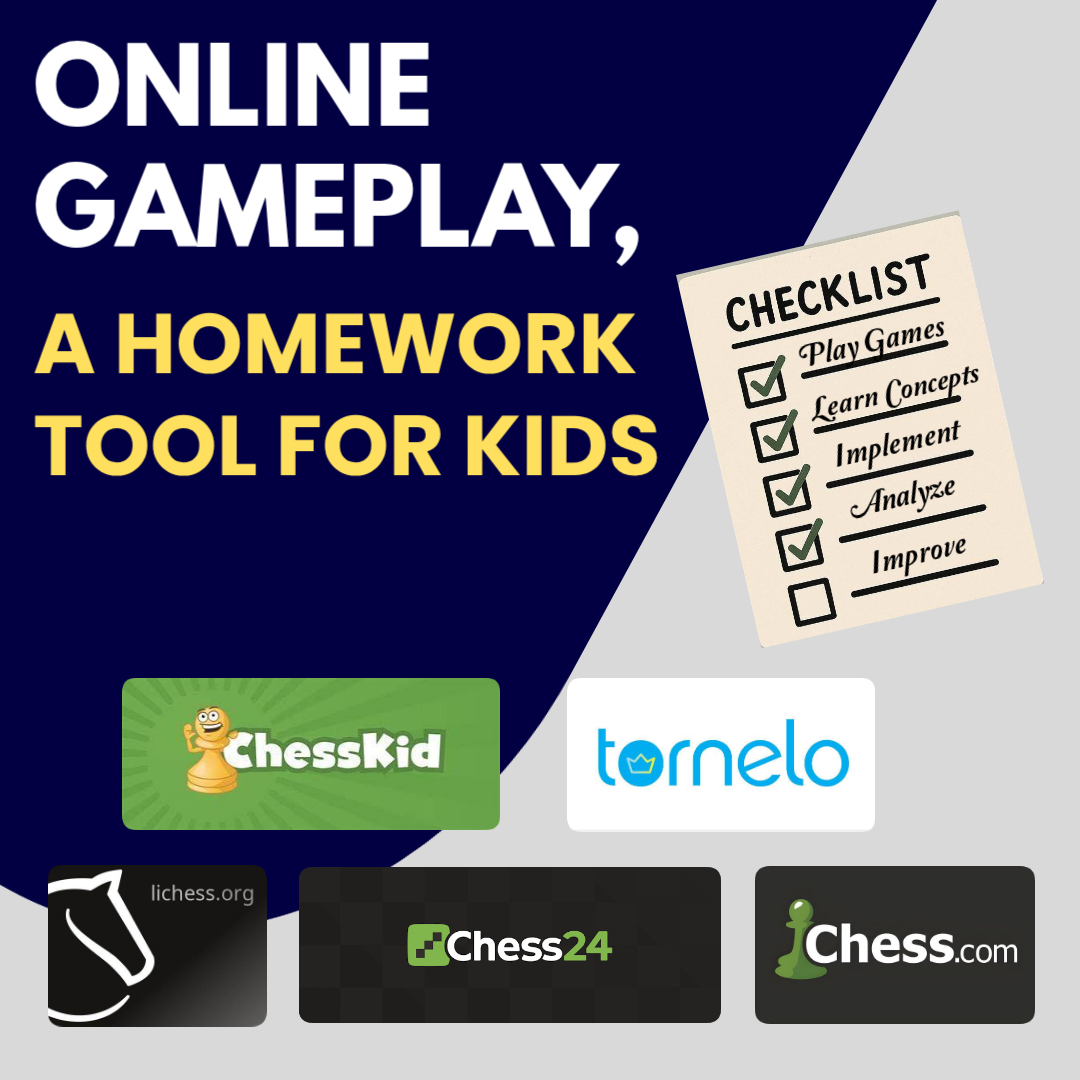
2. Online games on internet on different platforms or without getting worried about ratings
3. Random practice without any specific goals or ambition.
There is no proper training, no syllabus, no proper feedback, no game analysis, just two opponents playing blitz gameplay randomly for fun.

Training under the guidance of experts with proper daily direction, daily feedback, game analysis and keeping a goal in mind is usually known as structured training in which one will study the deeper concepts of games step by step like piece value, piece points piece names , opening and ending principles etc
This particular type of training is designed to let players play confidently and improve efficiently under professionals.
Now that we have understood what both trainings are, let’s understand the significance of structured training and why it stands out from casual play.
One common question we get is that can both casual play and structured training work together ?
Yes, absolutely. We can look at it according to this way,
1. Casual play for fun purpose, relaxation and enjoyment
2. Structured training for getting better, consistent improvement and learning lifelong skills ( specially for kids )

While casual play is fun and entertaining, it has some limits. If the goal is to improve efficiently and learn from mistakes, structured training can really make a big difference.
During casual play, players mostly learn through trial and error, some games they win and some they lose with repeated patterns and same mistakes which they realize over time and process can be long.
While in structured training things the main focus of the mentors is usually on step by step training like
1. Introduction to pieces
2. Piece movements
3. Opening Principles
4. Basic Check and Checkmate etc
This systematic approach is usually missing in casual play, instead of trial and error players always know their direction.
During casual play, players are often making the same moves again and again without even realizing whether it is wrong or right and they develop this habit of repeating the patterns of same mistake and when the foundation is weak nothing can strengthen that other than structured training and proper guideline as it focuses on building a strong foundation from day 1 which includes board awareness, tactical awareness and piece coordination.
When the foundation is strong, advanced concepts are much easier to learn.
The biggest disadvantage of casual play is after a loss, we tend to choose the “Next game” and want to make ourselves feel better by winning the next game immediately without understanding the reason for the previous loss.
While learning chess with a proper direction in a systematic way, before moving to the next game players analyze their previous game under a coach or via online platform so they can learn from every single mistake and consider their mistakes a new chance to learn and be better each day.
One of the key differences between both is the improvement pace of casual players is very inconsistent and slow and progress totally depends on luck and repetition while the supremacy of structured training is that the lessons are customized targetting the weakness’ of players and the goal of contenders is less games with purpose rather than random games thats why What might take years to learn casually can be mastered in months with proper guidance.
In Casual play, mistakes often go unnoticed and competitors often repeat them without even realizing it. While structured training includes regular feedbacks, games analysis and immediate corrections which helps students to not repeat the same mistakes, think twice before actually moving a piece and improve day by day.
Chess is not about moves, it involves a lot of skills, strategy and precision which players should know while casual plays just focuses on more games or whatever comes naturally during the game is played without analyzing consequences of the moves and whys behnd the moves.
Structured training creates a regular learning and goal setting habits that builds discipline which is crucial skill not just in chess but in daily life and academics too.
Casual play comparatively could be inconsistent and is irregular.
Casual play can make you a decent player but structured training could make you a confident and competitive player, strategic thinker and a great problem solver.
It transforms chess from just a game into a skill and mindset.
While casual chess is fun and a great way to relax, it has its limits. If someone truly wants to improve, gain confidence, and reach their full potential, structured chess training is the way forward.
It provides direction, clarity, and consistent growth—turning effort into real progress.
13 October 2026
28 September 2026
16 September 2026
11 September 2026
08 September 2026
31 August 2026
31 August 2026
31 August 2026
31 August 2026
31 July 2026